SEPT 25 - 27, 2026 | LONDON

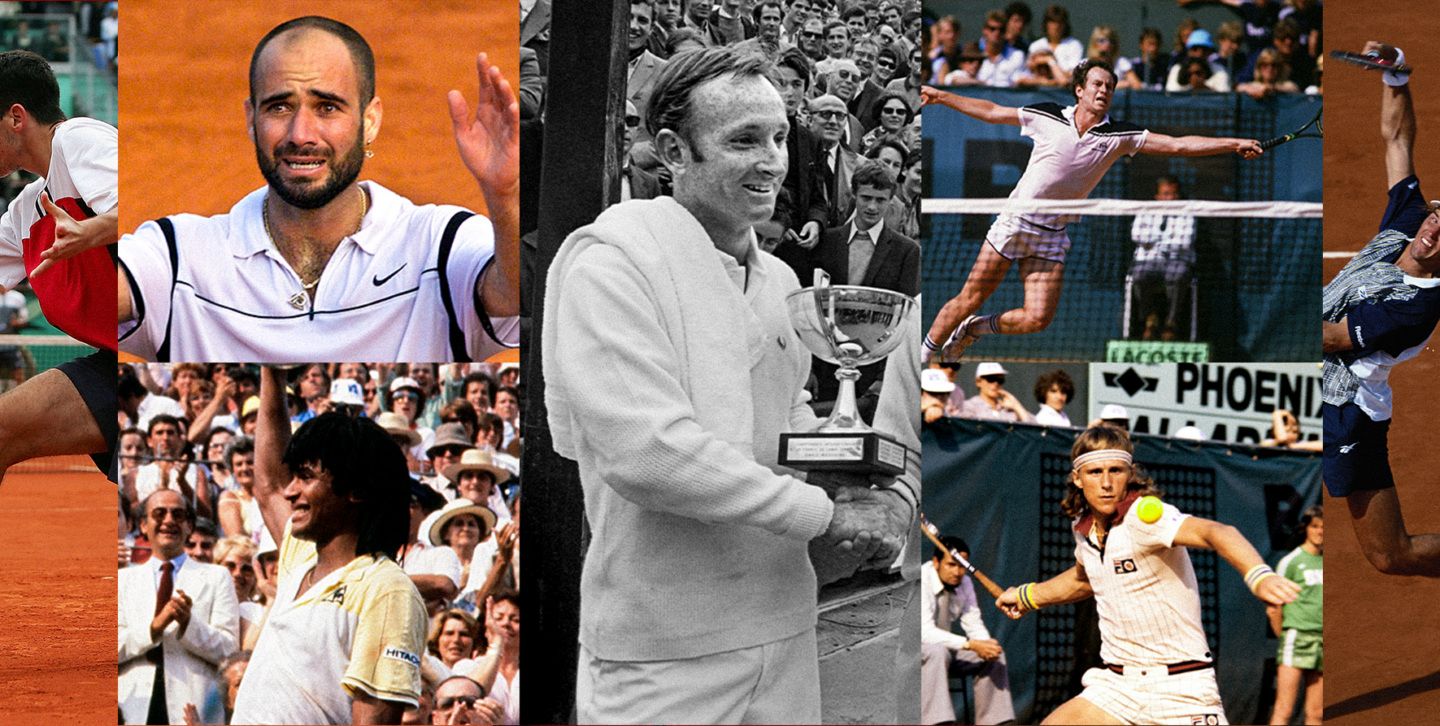
For Laver Cup Captains past and present, clay has been a stage for some of their most defining achievements. From breakthrough runs in Paris to dominant title streaks across Europe, these players–together with Laver Cup namesake Rod Laver–proved their credentials on the red dirt, adding another dimension to their legacies.
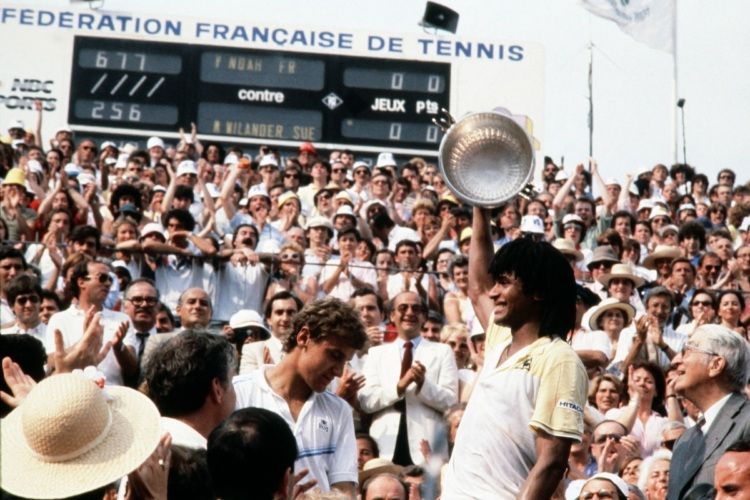
Yannick Noah: Team Europe Captain, the Home Hero who Shook Paris
Few clay-court images carry more emotional weight than Yannick Noah lifting the French Open trophy in 1983. His victory over Mats Wilander made him the first Frenchman in 37 years to win Roland Garros, instantly elevating him to national sporting icon status. Noah’s relationship with clay went far beyond a single triumph. His career win-loss record on the surface stood at an impressive 215–74, a 74.4% winning rate that reflects sustained excellence rather than a one-off peak.
He also claimed major clay titles at Hamburg (1983) and Madrid (1979 and 1983) and Rome (1985). Adding to his versatility, Noah won the French Open men’s doubles title in 1984 alongside Henri Leconte, cementing his status as a complete clay-court competitor.
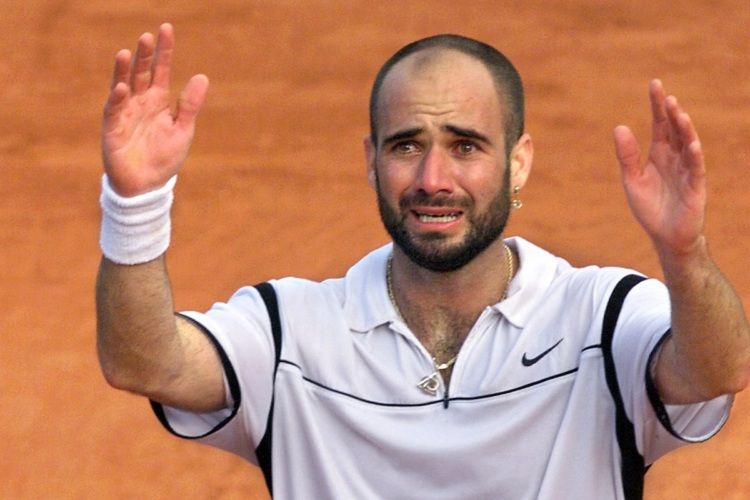
Andre Agassi: Team World Captain, Mastering the Slow Courts
Agassi’s clay-court story is ultimately defined by one breakthrough moment: Roland Garros 1999. That victory completed his career Grand Slam and remains one of the most significant milestones of his career. But it was not a sudden transformation. Agassi had already reached the French final twice before, in 1990 and 1991, and made semifinal runs in 1988 and 1992, steadily building his clay credentials across more than a decade.
His relationship with Rome was equally defining. He was a finalist there in 1989 as a 19-year-old, famously holding a match point against Argentina’s Alberto Mancini. More than a decade later, he returned to lift the title in 2002, defeating Tommy Haas in the final. That victory made history in another sense: Agassi remains the last American to win a clay-court ATP Masters 1000 title.
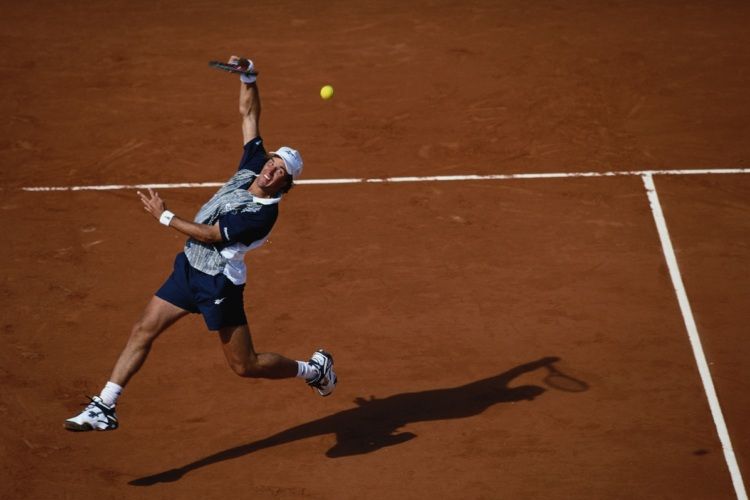
Patrick Rafter: Team World Vice Captain, Multi-Dimensional Artistry
On paper, Rafter is remembered for his serve-and-volley artistry and grass-court pedigree. But on clay, he quietly built results that demanded respect during a career that spanned 10 years from 1991.
At Roland Garros in 1997, Rafter pushed all the way to the semifinals before falling in four sets to Sergi Bruguera, a two-time champion and one of the era’s defining clay-court specialists. Two years later, he carried that form to Rome, beating a string of clay-court heavyweights including Andre Agassi, Gaston Gaudio and Goran Ivanisevic. His run ended against Gustavo Kuerten, but by then Rafter had already proven he was far more than a grass-court specialist.
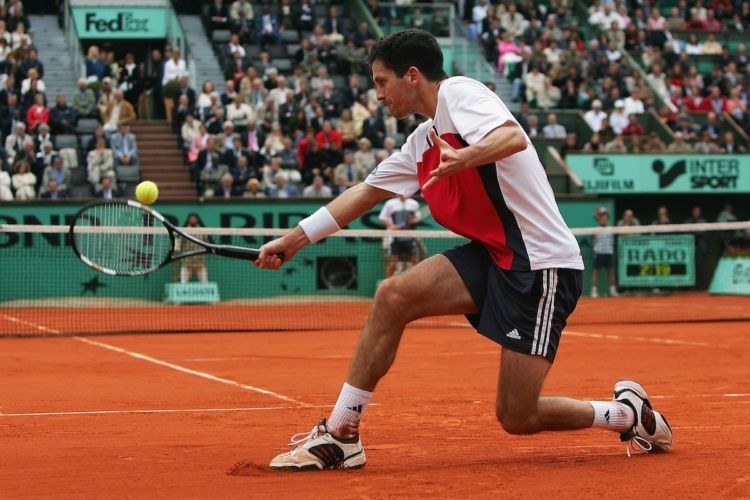
Tim Henman: Team Europe Vice Captain, England’s Quiet Clay Runner
Henman’s legacy is often tied to Wimbledon, but his clay-court record tells a more nuanced story of adaptability and persistence. His standout singles result came at Roland Garros in 2004, where he reached the semifinals, a rare achievement for a British player on the surface in the modern era. That same season, he also reached the quarterfinals in Monte-Carlo.
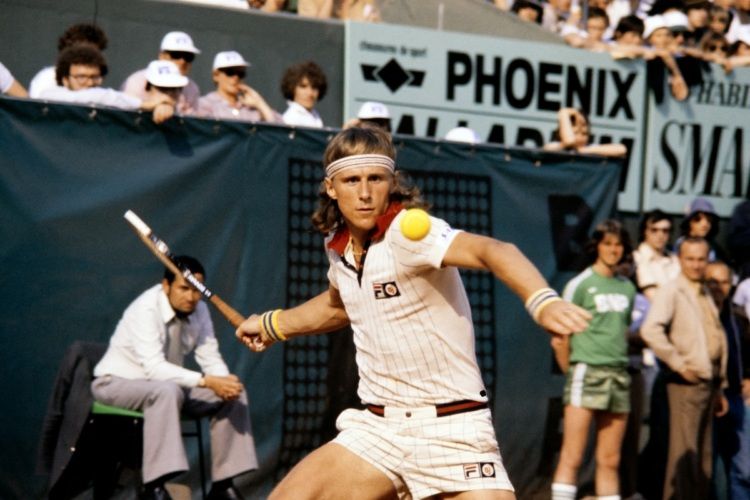
Bjorn Borg: Team Europe Captain (2017-2024), King of Clay
Before Rafael Nadal claimed 14 Roland Garros crowns, Borg was the standard against which all clay-court greatness was measured. His dominance was staggering: 28 clay titles and a Roland Garros record that defined an era. Borg won the French Open six times –1974, 1975, 1978, 1979, 1980 and 1981– establishing a reign that felt almost untouchable. His overall clay record of 285–46 reflects an extraordinary 86.1% winning percentage.
The 1978 season remains particularly iconic. Borg captured the Italian Open and then went on to win Roland Garros without dropping a set, a feat that still stands as one of the purest demonstrations of dominance the sport has seen on clay.
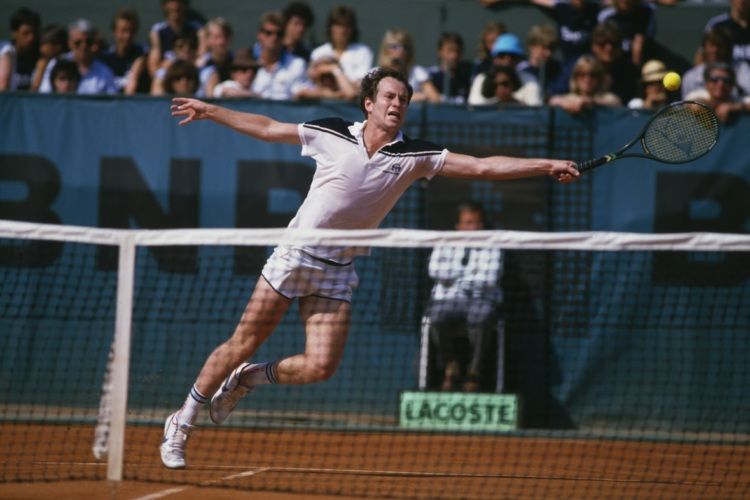
John McEnroe: Team World Captain (2017-2024), The One That Got Away
John McEnroe is rarely associated with clay-court success, yet his record contains moments that challenged expectations. His defining run came at Roland Garros in 1984, where he reached the final and led Ivan Lendl by two sets before the match turned. It remains one of the great “what if” narratives in French Open history.
Earlier, McEnroe also claimed a French Open mixed doubles title in 1977 alongside Mary Carillo, an early hint that even his game could adapt to slower surfaces when required.
Rod Laver: Laver Cup namesake, Grand Slamming Great
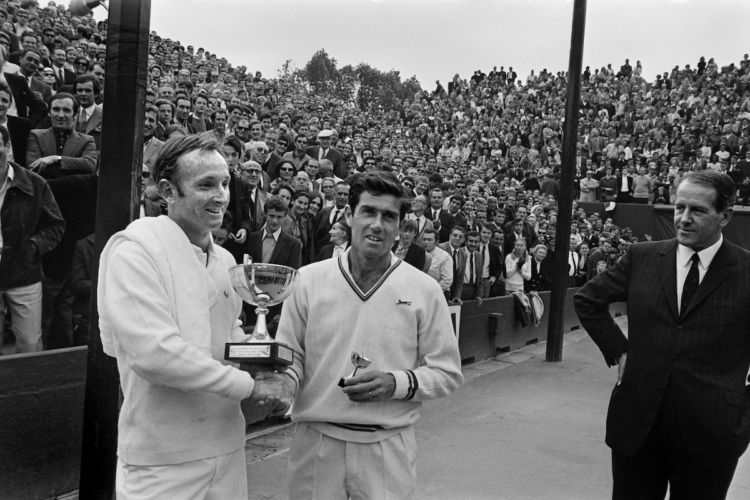
Rod Laver’s clay-court story is inseparable from tennis history itself. He won the French championships twice: first in 1962 as an amateur and again in 1969 as a professional. Remarkably, both victories formed part of his two calendar-year Grand Slams, underscoring his dominance across all surfaces in two different eras of the sport.
Beyond Roland Garros, Laver captured multiple clay titles across his career, including victories at major events such as the Italian Championships and Hamburg in 1962.
His adaptability was no accident. Growing up in Queensland, Laver played extensively on “antbed” courts, a gritty, clay-like surface that helped shape affinity with clay.