SEPT 25 - 27, 2026 | LONDON

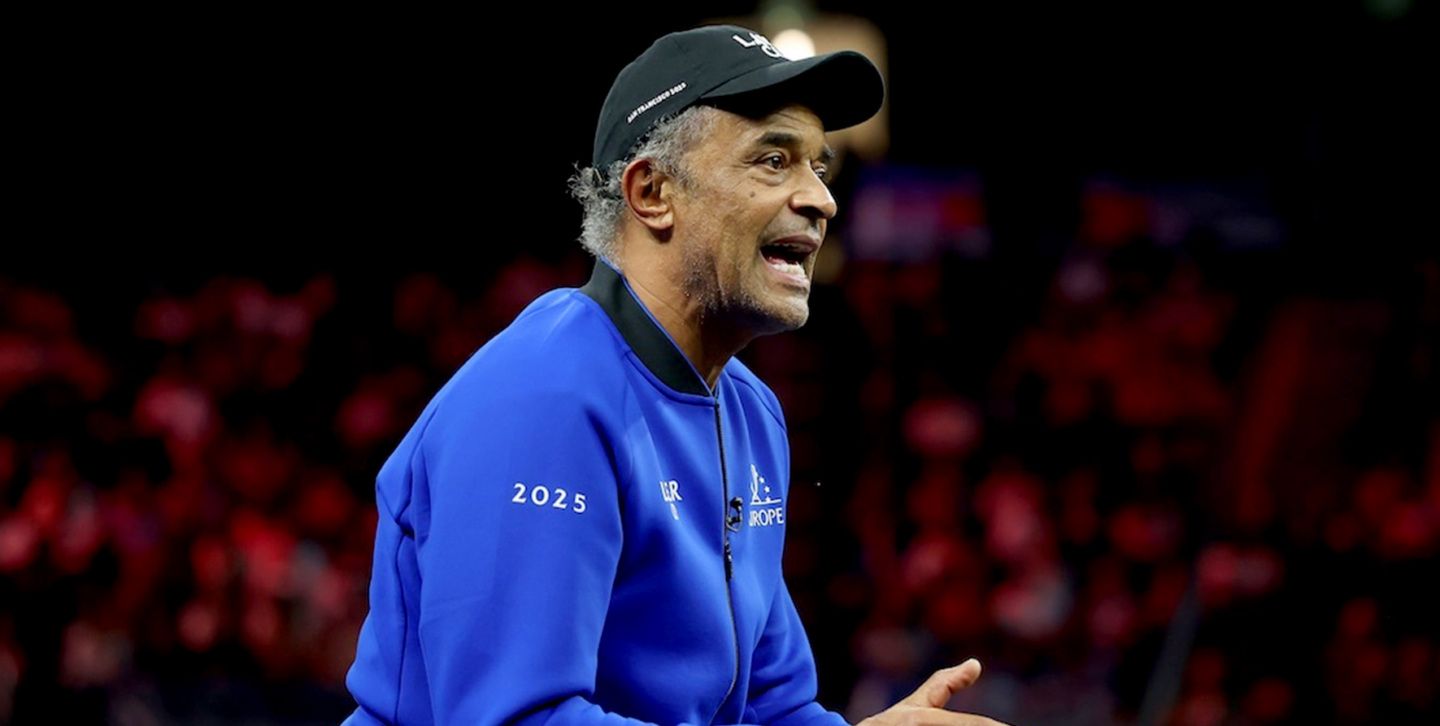
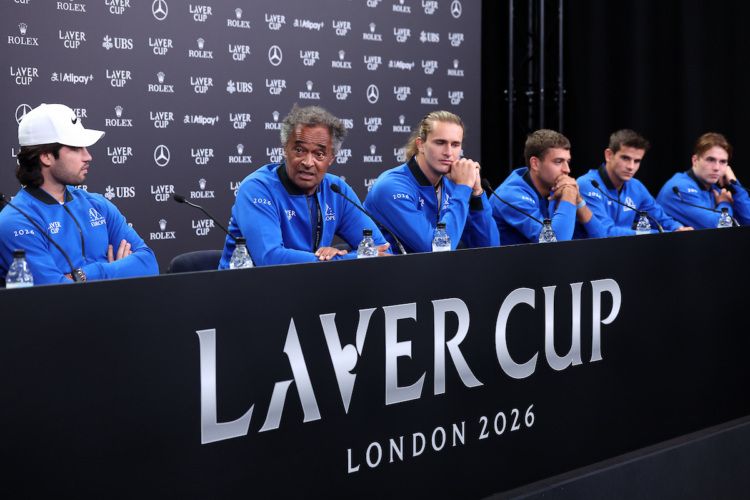
When Yannick Noah once again assumes the Captain’s role for Team Europe this September, he will do so with experience etched deeply, and unfinished business on his mind. London 2026 at The O2 marks his second year at the helm, supported by Vice Captain Tim Henman. This time, Europe will be the host.
It is a return shaped by lessons learned the hard way. Noah’s first Laver Cup campaign in San Francisco began with conviction. Stepping into the considerable shoes of Bjorn Borg, the long-time European Captain he succeeded, Noah trusted both his instincts and his lineup. With World No.1 Carlos Alcaraz at the top of his roster , No.3 Alexander Zverev – a five-time Laver Cup champion – and the ever-reliable Casper Ruud, belief came easily.
“I felt personally that if we were performing 100%, we were going to win the whole thing,” Noah recalls.
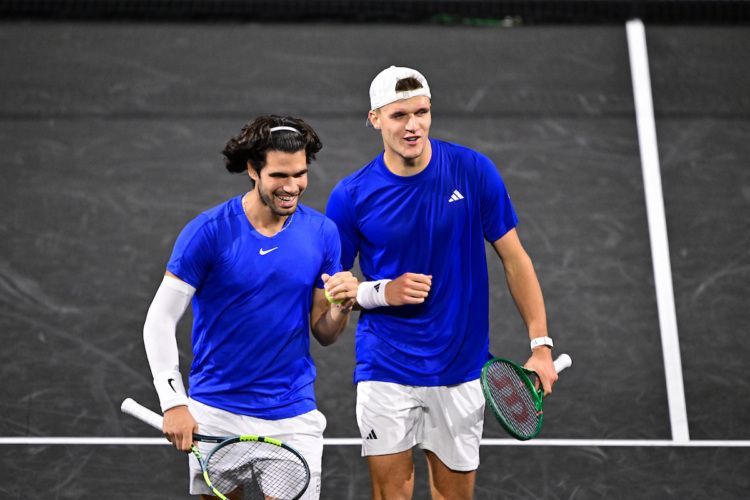
Day 1 appeared to justify that conviction. Ruud struck first against Reilly Opelka. Czech rookie Jakub Mensik edged past Alex Michelsen in a tense 10-point tiebreaker. Though Joao Fonseca answered for Team World against Flavio Cobolli, Alcaraz and Mensik combined to win doubles over Taylor Fritz and Michelsen. Europe led 3–1.
Then momentum shifted.
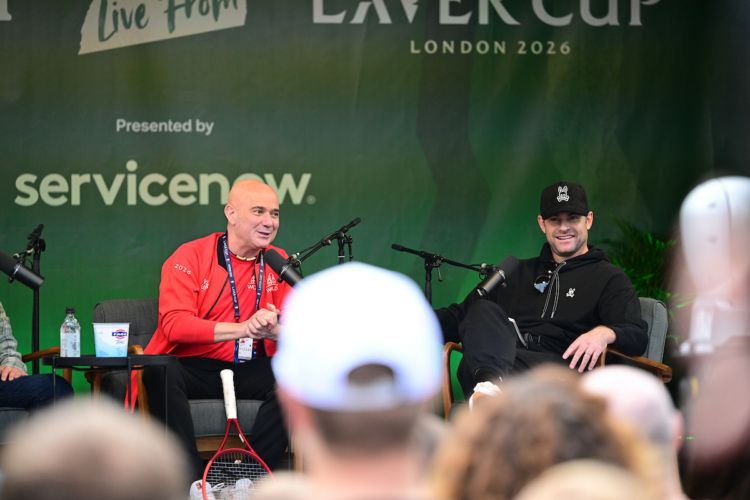
Led by new Team World Captain Andre Agassi – taking over from John McEnroe – the opposition swept Saturday. Europe’s heavyweights fell, including Alcaraz, beaten by Fritz in a result that stunned and delighted the home crowd of over 16,500 fans at Chase Center.
“It was hard when Carlos lost because I was expecting Carlos to win everything,” admits Noah.
By Saturday night, Europe trailed 3–9. Noah did not sleep; the arc to his imagined victory flattened.
“At this point, there was a lot of frustration, because we didn’t expect to lose four games and they counted double,” recalls Noah. “I really took it personal.
“I knew they did their best, but I felt frustrated because I felt that I didn’t help. That’s the way I felt.
“I questioned myself a lot trying to find ways to pump up the guys.”
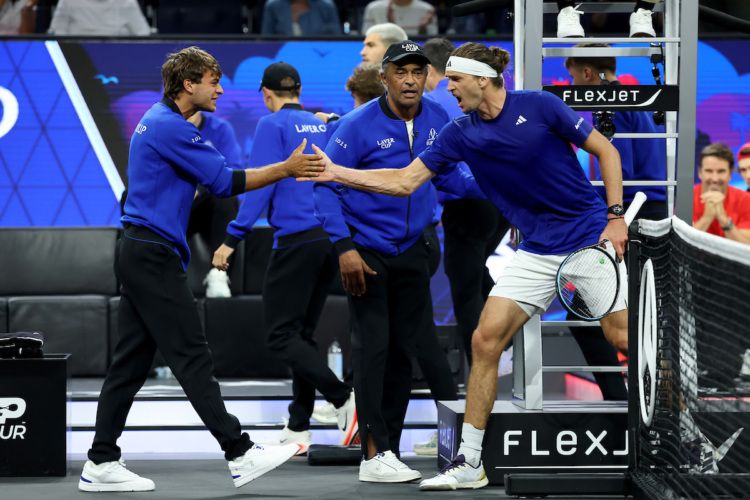
The rookie Captain
The locker-room atmosphere, he says, was charged with emotion as the team debated Sunday’s strategy. Each match was now worth three points; Europe needed four wins to reach the magic number of 13 for victory. Team World required only two.
“It was a democracy,” says Noah. “We talked with the players. We didn’t have any issues. Everybody had to say whatever they felt, how they felt, where they were physically or mentally. At the end of the day, we had to decide.
“Everybody had an idea of who they wanted to play. They had this experience of the Laver Cup. I was the rookie. I was the Captain, but I was a rookie.” – Yannick Noah
The final session was tight as each team fought tirelessly throughout Sunday. Alcaraz and Ruud won doubles. Alex de Minaur edged Mensik to bring Team World within touching distance. Alcaraz handled Francisco Cerundolo, but Fritz sealed the title against Zverev.
“Taylor was the man of the weekend,” says Noah. “We tried. At the end, you compete, you give the best you can. And then all of a sudden, you have in front of you a better team.
“I was disappointed for the guys. They were disappointed because I believe that they wanted to give it to me.”
All for one – the power of the team
In the silence that followed, Noah understood something deeper about the Laver Cup.
“I didn’t put on any music. It was quiet. It was heavy. They really cared.”
For a man who won Roland Garros in 1983 and later reinvented himself as a musician, the Laver Cup revealed a different dimension.
“They care because 90 per cent of the time we are playing for ourselves,” he explains. “At the end, there’s this real respect. It’s a time when you can show this respect. The best way to show respect is to compete for the team.”
That understanding shapes his second term. With Alcaraz and Zverev again central to his plans, and Henman alongside him, Noah approaches the London 2026 campaign differently.
“In San Francisco, the crowds were very good. They were really into it. But we were playing outside. So now we are playing in London. I want to win.”
It is a simple statement, but it carries the weight of a Captain who has lived both expectation and disappointment, and who won’t be taking anything for granted a second time around.
Noah’s first Laver Cup taught him that talent alone is not enough – that leadership, strategy, and unbridled teamwork can tilt a contest decided by narrow margins. In London, he returns not as a first-timer leading the favorite on paper but as a Captain sharpened by defeat.
And this time, he intends to reverse the story.